A Simple Guide to Picking the Best Mix for Strength, Durability, and Purpose
To choose the right concrete mix for your project, start by looking at what you are building, how much weight it will hold, and what weather it will face. A driveway needs a stronger mix than a sidewalk. A patio may need better crack control. The right mix depends on strength rating, cement content, aggregate size, and added materials. Picking the correct blend helps your concrete last longer and perform the way it should.
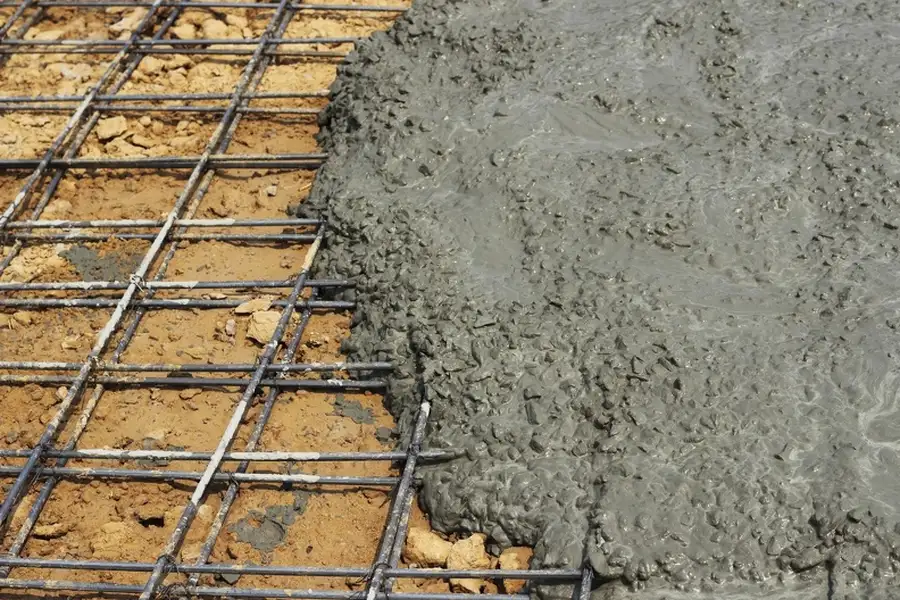
What You Need Before Starting
Before ordering materials or scheduling concrete services, gather a few key details about your project. This helps you avoid weak concrete or surface damage later.
- The type of project (driveway, slab, patio, footing, steps)
- How thick the concrete will be
- How much weight it must support
- Your local climate and exposure to moisture
- Whether you are doing DIY work or hiring professionals
If you are working on , such as a new foundation or structural slab, you may also need to meet local building codes. Always check if a permit or inspection is required.
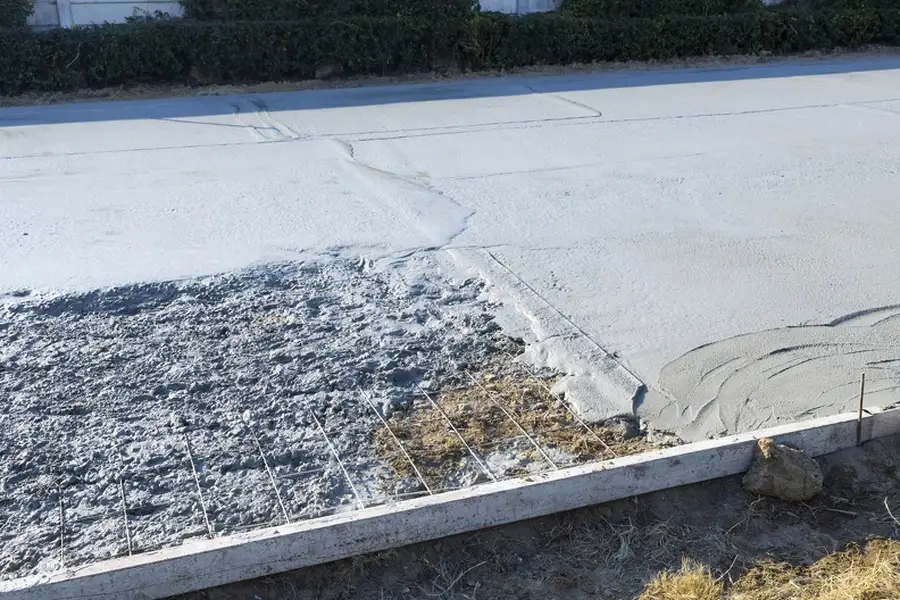
Step-by-Step: How to Pick the Right Mix
Follow these simple steps to narrow down the best option.
- Know the PSI strength you need. PSI means pounds per square inch. Most sidewalks use 3,000 PSI. Driveways often need 4,000 PSI or more.
- Think about weather exposure. If the concrete will face freezing and thawing, choose a mix with air entrainment. This adds tiny air bubbles that help prevent cracking.
- Choose the right aggregate size. Smaller gravel works better for thin slabs. Larger stone adds strength for thick pours.
- Decide if you need additives. Fiber mesh helps reduce cracking. Accelerators speed up curing in cold weather.
- Match the mix to the finish. Decorative patios may need a smoother mix for stamping or staining.
If you are unsure, local concrete services can recommend a mix that fits your soil type and project size.
Common Mistakes to Avoid
Many people pick the wrong mix because they focus only on price or availability. That can lead to cracks, scaling, or early failure.
- Using low PSI concrete for heavy vehicles
- Skipping air-entrained mix in cold climates
- Adding too much water on-site
- Pouring concrete too thin for the load
- Ignoring proper curing time
Adding extra water might make concrete easier to pour, but it weakens the final strength. That small shortcut can lead to costly repairs later.
When to Call a Professional
Small walkways or shed slabs may be manageable for experienced DIY homeowners. Larger jobs need careful planning and proper equipment. If your project involves structural support, heavy loads, or a large surface area, hiring professional concrete services is often the smarter choice.
For example, a residential driveway may look simple. But soil prep, reinforcement, and proper finishing make a big difference in how long it lasts. Mistakes under the surface are hard to fix once the slab cures. A professional crew can also place and finish the concrete faster, which helps prevent weak spots and surface defects.
Final Recommendation and Next Steps
Choosing the right concrete mix does not have to be confusing. Focus on strength, environment, thickness, and use. If you are planning a project in Elmwood Park, NJ, we can help you select the right materials and handle every step from prep to finish. At HNP General Construction, our team provides reliable guidance and skilled concrete services for residential and commercial jobs. Call us at (201) 898-9142 to talk about your project and schedule a consultation with our crew.